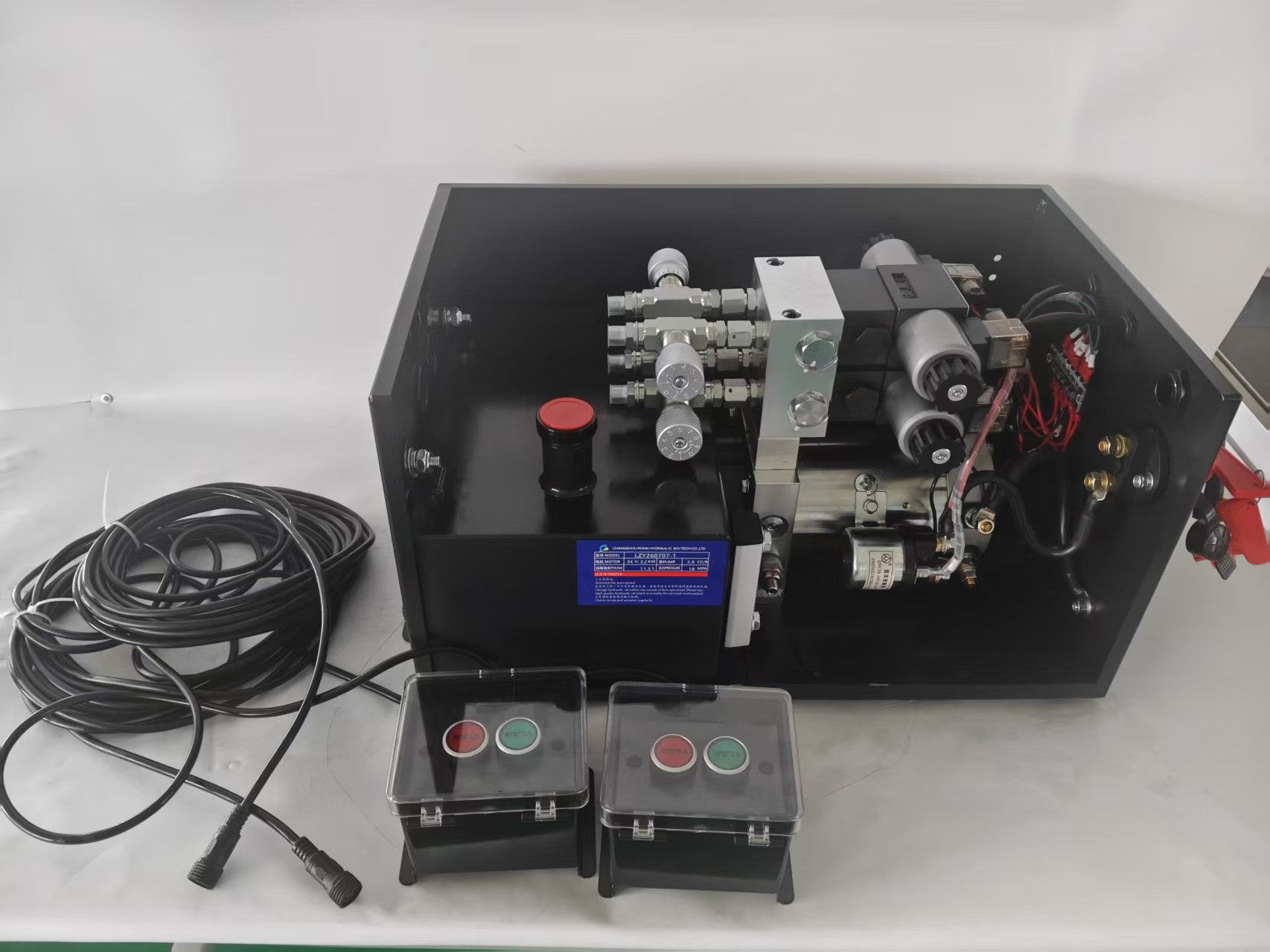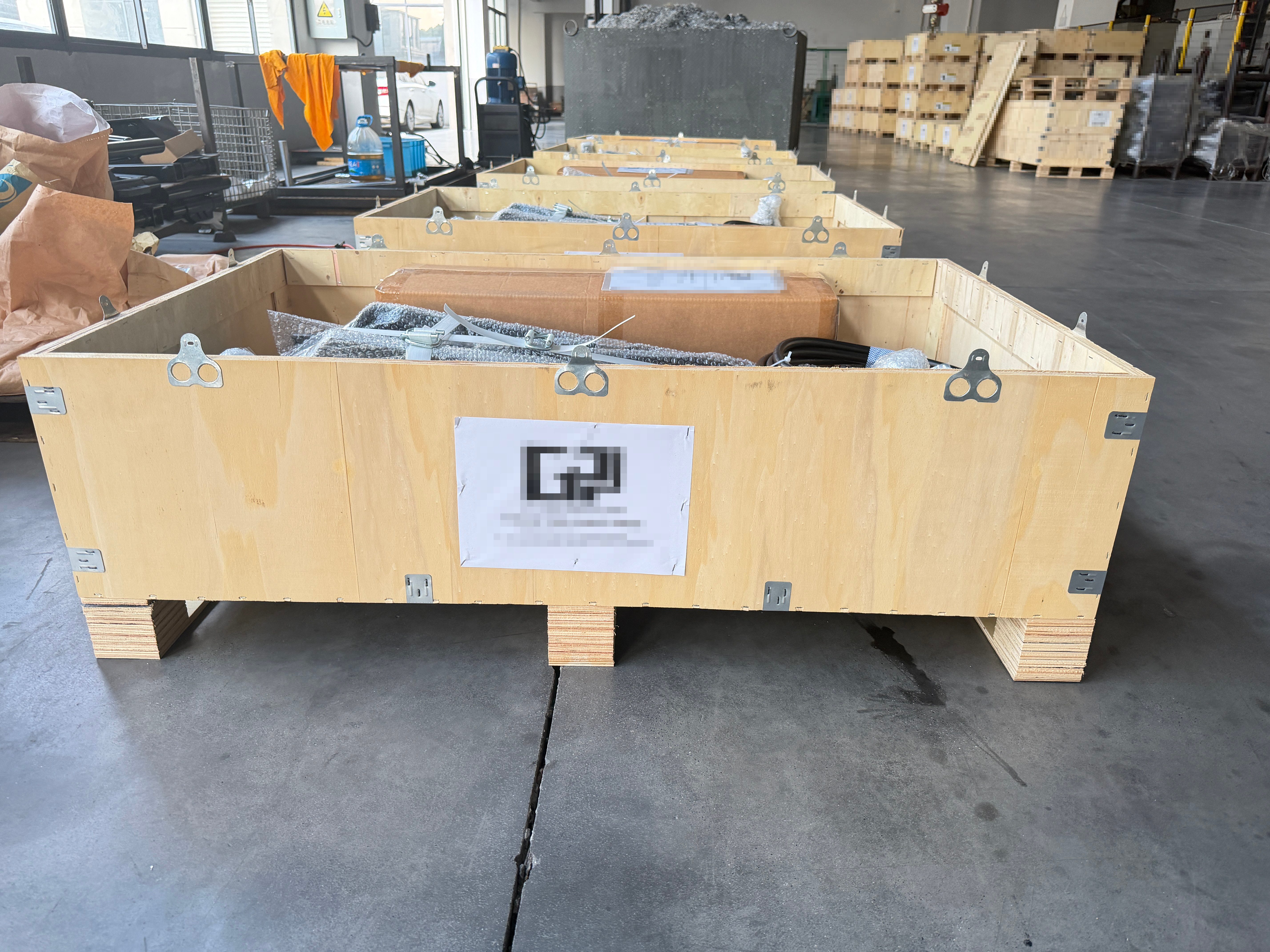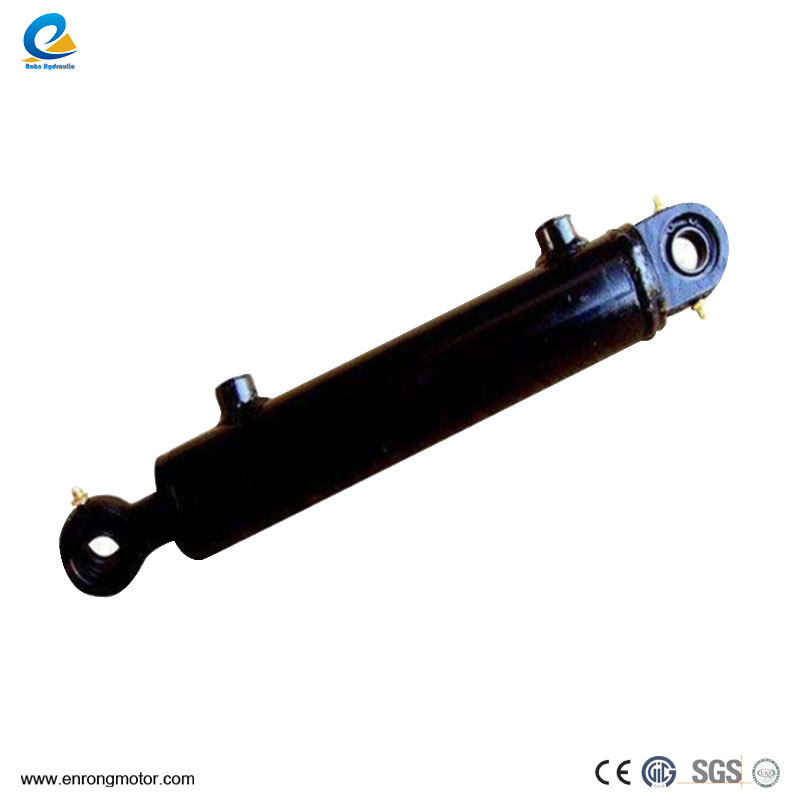

This article explores what makes gear pumps so effective, their functions, applications, performance characteristics, and why selecting the right model can be crucial for your operation. Along the way, we will also provide technical specifications and a detailed FAQ section to ensure all aspects of gear pumps are clearly explained.
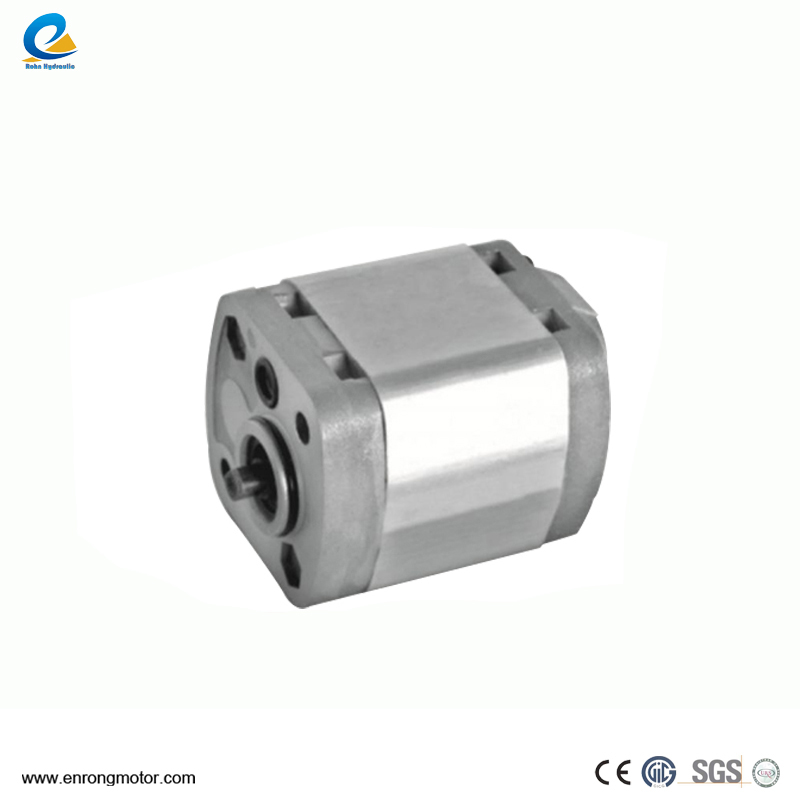
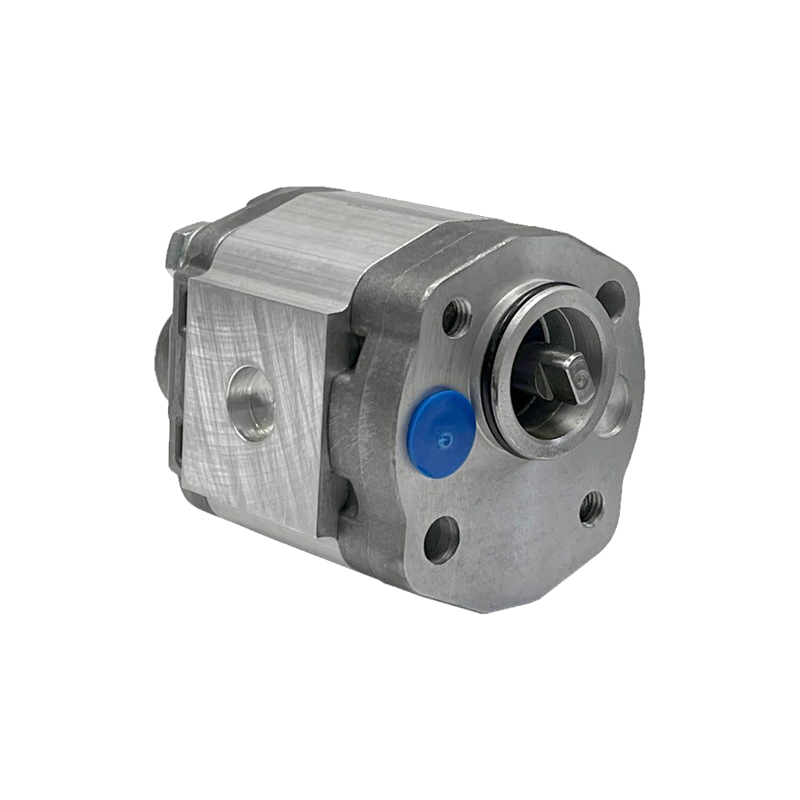
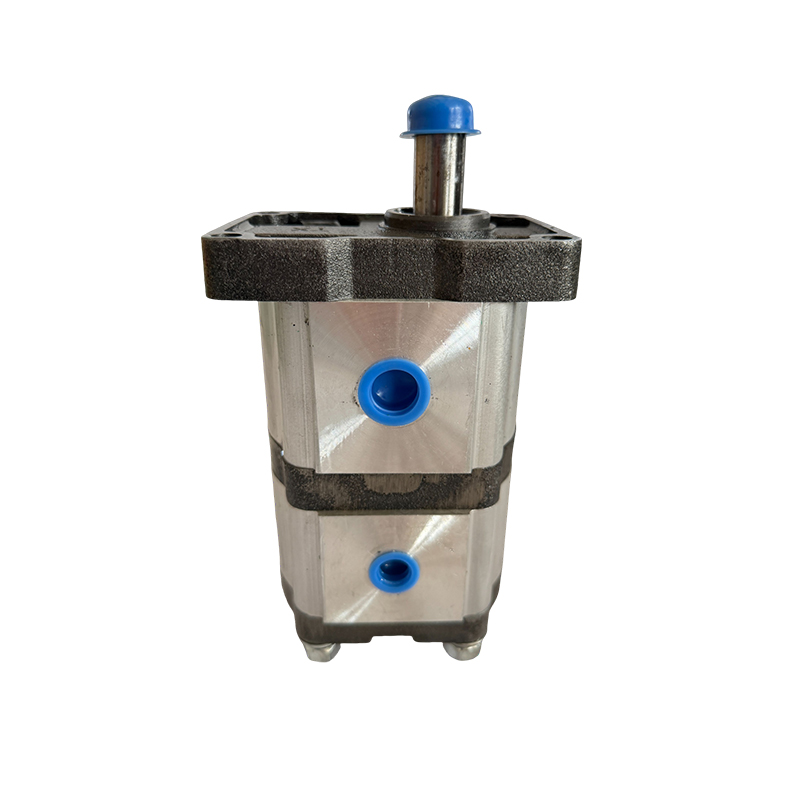
A Gear Pump is a type of positive displacement pump that transfers fluids using the meshing of gears. The mechanism works by trapping a fixed volume of liquid between the gear teeth and moving it around the casing from the inlet side to the outlet side. This simple yet efficient design enables a steady, pulse-free flow that is especially suitable for hydraulic oil, lubricants, and other low-to-medium viscosity fluids.
The main benefits of gear pumps include:
Steady flow without pulsation
High efficiency in low-to-medium pressure applications
Compact size for easy integration into hydraulic systems
Durability thanks to minimal moving parts
Gear pumps play a vital role in hydraulic systems. Their main functions include:
Hydraulic Power Generation – Providing pressurized fluid to drive motors, cylinders, and actuators.
Lubrication – Maintaining a steady flow of lubricants in engines, transmissions, and industrial machinery.
Fuel Transfer – Safely handling oil and fuel delivery in various industries.
Cooling and Circulation – Pumping fluids in cooling systems for industrial and mechanical equipment.
Industries that rely heavily on gear pumps include:
Construction machinery
Agricultural equipment
Marine and offshore systems
Mining and heavy-duty vehicles
Industrial automation
The following table outlines typical specifications for hydraulic gear pumps produced by Changzhou Rohn Hydraulic Sci-Tech Co., Ltd.
| Parameter | Specification Range |
|---|---|
| Displacement | 1.0 – 200 ml/rev |
| Rated Pressure | Up to 25 MPa (250 bar) |
| Peak Pressure | Up to 28 MPa (280 bar) |
| Rotational Speed | 600 – 3000 rpm |
| Efficiency | ≥ 90% volumetric efficiency |
| Temperature Range | -20°C to +80°C |
| Shaft Options | Parallel key, spline, or tapered shafts |
| Mounting Options | SAE, European standard, or custom design |
This versatility makes gear pumps suitable for both mobile machinery and fixed industrial equipment.
The importance of a gear pump lies in its ability to maintain reliability under harsh working conditions. Unlike more complex pumps, gear pumps are designed with simplicity, which results in fewer breakdowns and lower maintenance costs. Their strong suction capability also makes them useful in systems where fluid levels are variable.
Furthermore, gear pumps have a long service life due to their robust structure. When paired with proper filtration and high-quality hydraulic oil, they can run continuously for thousands of hours without major service. This reliability is what makes companies like Changzhou Rohn Hydraulic Sci-Tech Co., Ltd. a trusted partner in hydraulic solutions.
Smooth Operation: Delivers consistent flow and pressure with minimal pulsation.
Energy Efficiency: High volumetric efficiency reduces wasted energy.
Low Noise Levels: Advanced design minimizes vibration and acoustic noise.
System Stability: Prevents fluctuations that could damage sensitive equipment.
Versatility: Compatible with different fluids and adaptable across multiple industries.
Q1: What is the maximum pressure a Gear Pump can handle?
A1: Most high-quality gear pumps, such as those from Changzhou Rohn Hydraulic Sci-Tech Co., Ltd., can operate at rated pressures up to 25 MPa (250 bar) and peak pressures up to 28 MPa. This makes them suitable for medium- to high-demand hydraulic applications.
Q2: How long does a Gear Pump typically last?
A2: With proper maintenance and clean hydraulic oil, a gear pump can last for several thousand operating hours. Regular inspection and replacement of seals can further extend its service life.
Q3: Can a Gear Pump handle different types of fluids?
A3: Yes, gear pumps are highly versatile. They are compatible with hydraulic oils, lubricants, fuels, and other fluids within the specified viscosity range. However, it is essential to match the pump materials with the fluid type to ensure long-term performance.
Q4: What factors should I consider before selecting a Gear Pump?
A4: Important factors include displacement size, pressure rating, operating speed, type of fluid, temperature range, and mounting configuration. Consulting a professional supplier like Changzhou Rohn Hydraulic Sci-Tech Co., Ltd. ensures you get the correct pump for your system.
Choosing the right Gear Pump is a critical step toward ensuring the performance and durability of your hydraulic system. From construction and agriculture to industrial automation, gear pumps offer unmatched reliability, efficiency, and adaptability. By considering technical parameters and working with a trusted manufacturer, businesses can optimize their hydraulic applications and reduce downtime.
For more information, technical support, or to explore customized hydraulic solutions, please contact Changzhou Rohn Hydraulic Sci-Tech Co., Ltd.. With professional expertise and proven product quality, we are committed to delivering the gear pumps that keep your systems running smoothly.